How to read an Italian wine label, one line at a time
Find the denomination first, then the tier, grape, aging term, vintage and producer. Here's what each line on an Italian label tells you.
By Jeremy Young · Published November 10, 2026 · 6 min read
Key takeaways
- The denomination, the place name followed by DOC, DOCG or IGT, is the most useful line on an Italian label because it points to a specific set of production rules.
- A DOCG wine has to have been DOC for at least seven years, gets analyzed batch by batch, and carries a control band that tears when the bottle is opened.
- Italian labels often leave the grape off, so a name like Chianti or Soave tells you the grape only if you know the denomination's rules.
- Riserva, Classico and Superiore are regulated terms with specific meanings, and none of them guarantees a better wine.
- This site tracks 411 Italian appellations, 79 DOCG and 332 DOC.
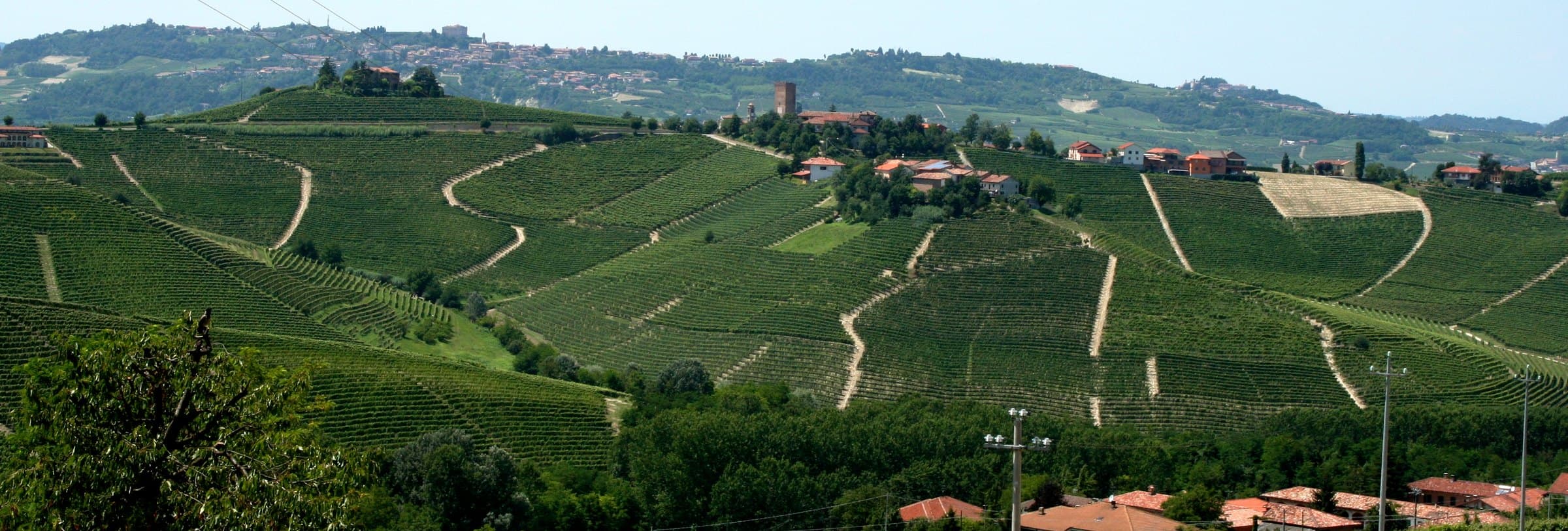
Find the denomination first. It's the place name, usually followed by DOC, DOCG or IGT, and it tells you which rules the wine followed. The biggest word on the front label is often something else: the winery, a product line or a name the producer made up.
This site tracks 411 appellations, 79 DOCG and 332 DOC, and I'm tasting at least one wine from each. Here's how I read a label, one line at a time.
What should I look at first on an Italian wine label?
Your eye goes to the largest type. Don't trust it yet. That name could be the denomination, the estate, a commercial line or a fantasy name the producer gave the wine.
A fantasy name helps you recognize one particular bottle. It doesn't tell you which production rules were applied. A denomination does. If the label says Brunello di Montalcino DOCG, "Brunello di Montalcino" isn't a brand the winery picked. It's a protected name, and the wine has to follow a specific production code to use it.
That code can cover where the grapes come from, which varieties are allowed, yields, the style of the wine, production practices and any aging periods. So a denomination tells you far more than "made near Montalcino."
Next, find the producer. A single denomination can have dozens or hundreds of estates, each with its own vineyards and ideas. Two wines from the same DOCG and the same year can taste very different, so the producer name is the second thing I check.
What do DOC, DOCG and IGT mean on the label?
They're the tiers. DOCG stands for Denominazione di Origine Controllata e Garantita, DOC for Denominazione di Origine Controllata, and IGT for Indicazione Geografica Tipica. Below IGT sits the table wine category, vino da tavola.
Here's what each tier changes on the label:
- Table wine (VdT): the grape variety isn't foreseen on the label, and the color is optional. The label must carry the batch, the volume, the bottler's details, the alcohol content and, only above 10 mg/L of sulfur dioxide, the phrase "contains sulfites."
- IGT: the grape variety, the production year and the production area are optional.
- DOC: the label has to name the production area more precisely, and the year of production must be on it. Sub-areas can be added if the producer wants.
- DOCG: stricter again. A wine can only become DOCG after being DOC for at least seven years, and DOC itself is reserved for areas that have been IGT for at least five. DOCG wines get chemical, physical and sensory analysis batch by batch, and each bottle carries a control band that tears when you open it.
That control band is the physical difference you can see on a DOCG bottle.
A higher tier doesn't promise a better wine in the glass. A DOCG isn't automatically better than a DOC or an IGT. The tiers describe origin and production rules. Quality still depends on the vintage, the vineyard work, the winemaking and the producer. I go deeper on this in DOC vs DOCG vs IGT: what Italian wine labels promise.
Is the grape on an Italian wine label?
Often it isn't, and that surprises people. Plenty of Italian wines put the place name up front and leave the grape to the production code.
Chianti is the classic case. The label may show only the denomination, and you have to know the rules to learn the wine is made from Sangiovese. A missing grape name doesn't mean there's no information about the grape. Sometimes the denomination gives you the answer.
Here are a few places where the name on the label points to a grape:
- Garganega is the main grape for wines labeled Soave, a dry white from the Veneto.
- Corvina, along with Rondinella and Molinara, is the principal grape behind Valpolicella and Amarone, also from the Veneto.
- Aglianico is grown mainly in Basilicata and Campania for DOCG wines such as Taurasi and Aglianico del Vulture Superiore.
When the grape does appear, watch for lookalikes. Montepulciano is a grape, the most widely planted one in Abruzzo. It isn't the Tuscan town of the same name. The label usually tells you which you've got, since the grape sits next to the word for the place or the denomination.
What do Riserva, Classico, Superiore and Vigna mean?
These words sound like praise. They're regulated terms, and each one means something specific.
Riserva is a regulated mention. To use it, the wine has to meet aging conditions, and the exact rules depend on the category and the denomination. It tells you about the wine's path before bottling. It doesn't promise a better bottle than the non-Riserva from the same producer.
Classico, where a denomination allows it, generally points to the historic production zone.
Superiore marks a type with specific production requirements set by the law and the denomination's own rules. In Piedmont, for example, Barbera d'Asti Superiore may be aged in French barriques to become Nizza. That's the sort of detail the Superiore word hides until you look up the code.
Vigna followed by a name ties the wine to a defined geographical unit. Its use is regulated, so it isn't a decorative word. If you want to know where a wine really comes from, it's one of the more interesting lines on the label.
These words don't just mean "better wine." Each one has its own meaning, and that's why learning them pays off.
What else is printed on the label?
A few smaller lines are worth a glance.
Vintage. The year is the harvest of the grapes in the bottle. Older doesn't mean better. Some wines are made to be drunk young and others improve for years if stored well. Not every wine carries a vintage either, and some categories have their own rules. As noted above, DOC wines must show the year of production.
Alcohol. You'll see something like "13.5% vol." That's the actual alcohol by volume. It's useful, but I wouldn't guess a wine's character from it. A higher number doesn't automatically mean more body, more quality or more flavor. Balance between alcohol, acidity, sugar and tannin decides how a wine feels.
Volume. The standard bottle holds 750 ml, which is 75 cl.
Bottler. The bottler's name has to be on the label. The company that bottles the wine isn't always the one that grew the grapes, so the wording matters. I read the back label for that.
Back label. This is where some of the most useful details sit: producer information, allergens, the lot number and often a QR code. Labels in the European Union must also disclose if the wine was fined with casein or ovalbumin, which come from milk and egg.
How do I put it all together?
Take a bottle that says Brunello di Montalcino DOCG. Montalcino is the place. DOCG is the tier, so the wine passed batch-by-batch analysis and has a control band on the bottle. The name itself is a protected denomination with its own production code.
Then I check the producer, the vintage and any extra word like Riserva. Together those tell me what's in the bottle before I open it. They don't tell me whether I'll like it. For that, you have to taste.
That's the point of the whole project. The label gets you to the right question. The glass answers it, and I score each wine I taste so you can compare.
Questions people ask
What is the first thing to check on an Italian wine label?
Look for the denomination, which is the place name usually followed by DOC, DOCG or IGT. Then find the producer. The biggest name on the front can be a winery, a product line or a made-up name, so it isn't always the denomination.
Is a DOCG wine always better than a DOC?
No. DOCG has stricter rules and more testing, but those tiers describe origin and production, not what's in the glass. Vintage, vineyard work, winemaking and the producer matter just as much.
Does the grape have to be on an Italian wine label?
No. Table wines aren't set up to name the grape, and IGT wines can include it optionally. Many denominations, such as Chianti, are defined by a grape without the label naming it.
What does Riserva mean on an Italian wine?
It's a regulated mention that requires certain aging conditions, which vary by category and denomination. It tells you about the wine's production, and doesn't promise a better wine than the standard bottling.
Where this comes from
- Italian wine (Wikipedia)“The DOCG denomination is applied only to wines that have been recognized as DOC for at least seven years and are of particular quality.”
- Come leggere un’etichetta di vino: guida completa“Una DOCG non sarà necessariamente più buona di una DOC o di una IGT.”
- Wine label (Wikipedia)“The bottler's name must always be included in the label.”
About the author
Jeremy Young is tasting at least one wine from every DOC and DOCG in Italy and reviewing each one here, with a score and a note on how he got the bottle. He edits and signs off every article on the site before it goes live. More about Jeremy and the project.
Get the reviews by email
One email per bottle
When I publish the next review, you get it. No digests, no roundups. Unsubscribe whenever.
More articles
All articles
How it works · November 9, 2026
DOC vs DOCG vs IGT: what Italian wine labels promise
DOCG is the strictest Italian wine tier, DOC the middle and IGT the loosest. Here's what each label guarantees and what it leaves open.
Wine · October 16, 2026
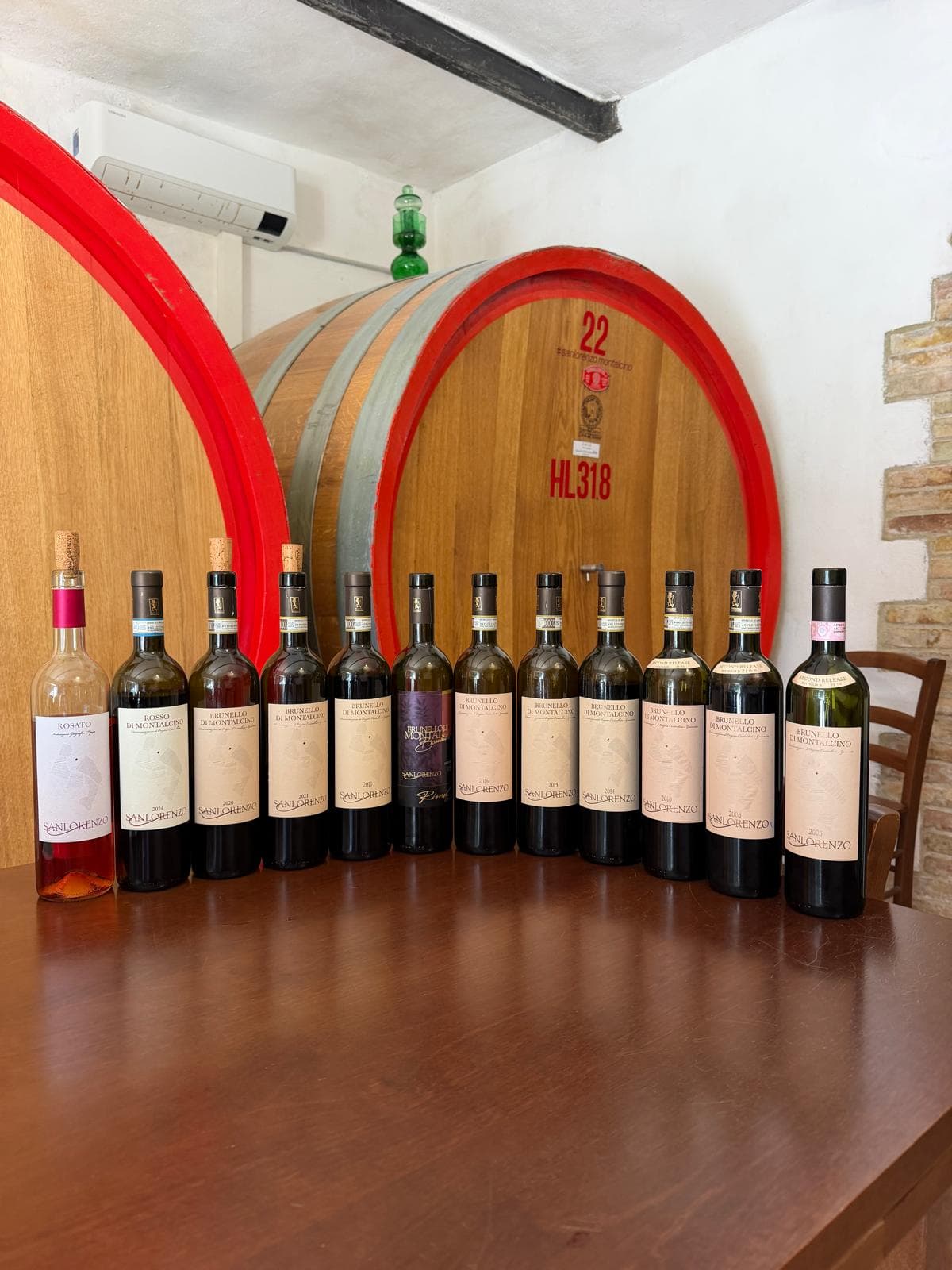
An Early Harvest in Tuscany: Ten Estates and the 2020 to 2024 Vintages
Notes from 10 estates in Lazio and Tuscany after a harvest that was mostly over before we arrived: how the 2020 to 2024 vintages turned out, what each winery poured, and my scores.